A preliminary 2026 randomized study of 66 adults with chronic nonspecific low-back pain reported greater improvements in pain and disability scores in the NKT group over eight weeks. The authors noted sample-size and measurement limitations and called for larger studies.
Kumar et al., 2026NeuroKinetic Therapy® · By appointment
The pain is real. The full story may be bigger.
When pain keeps returning, it can be frustrating to feel as though you are only treating the same symptom again and again. NeuroKinetic Therapy® offers one way to explore how muscle coordination and movement patterns may relate to your goals and daily activities.

- Who
 Grace CampbellNeuroKinetic Therapy® practitioner
- What
- NeuroKinetic Therapy®Assess · release · retrain
- Where
- SF Bay Area & Birmingham areaIn-home sessions and travel by arrangement
- Cost
- $100 per sessionPaid in person · no prepayment
01The approach
Find it. Release it. Retrain it.
NKT is an approach that looks at how your body coordinates movement. Rather than focusing only on the spot that hurts, Grace may assess related movement patterns and use hands-on techniques and targeted exercises to help you move with greater ease. Your experience and results will depend on your situation.
-
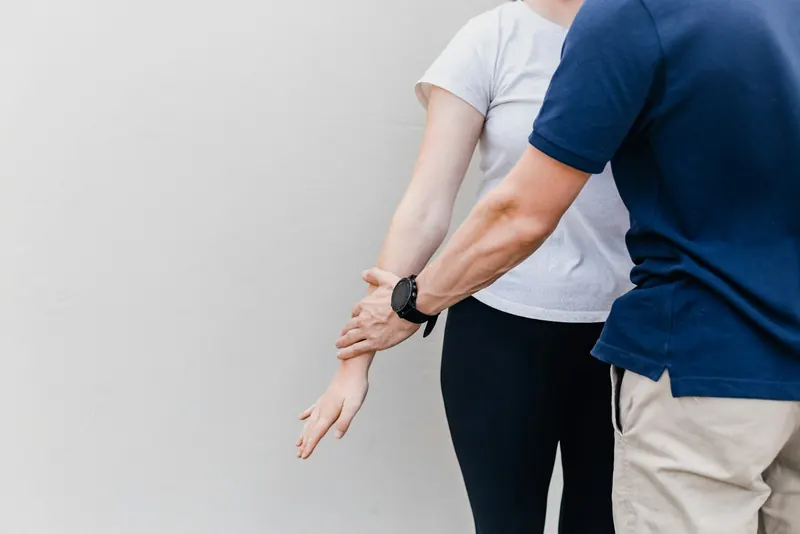
01Find
The NKT assessment
Your history, how you move, and gentle manual muscle tests help show which muscles are overworking and which have gone quiet.
Learn more about The NKT assessment -
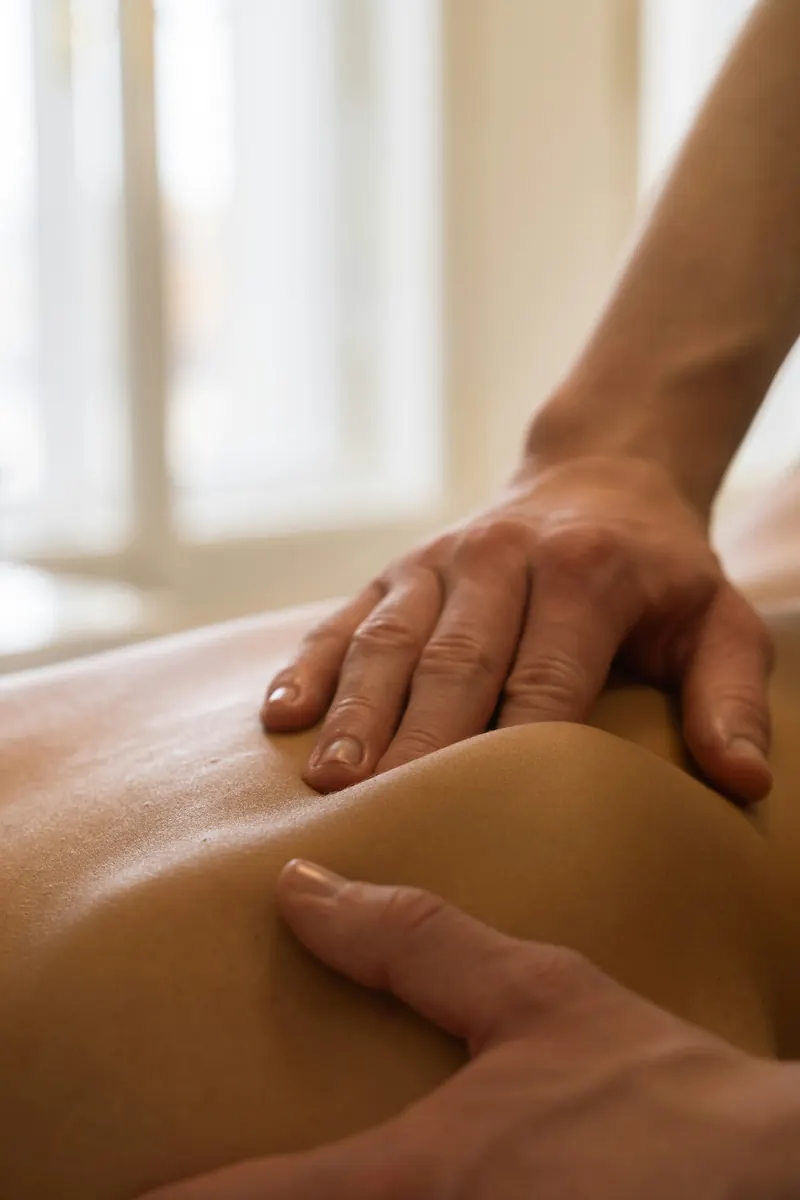
02Release
Targeted hands-on work
Hands-on release on the muscles that are compensating, using the techniques that suit what the assessment shows.
Learn more about Targeted hands-on work -
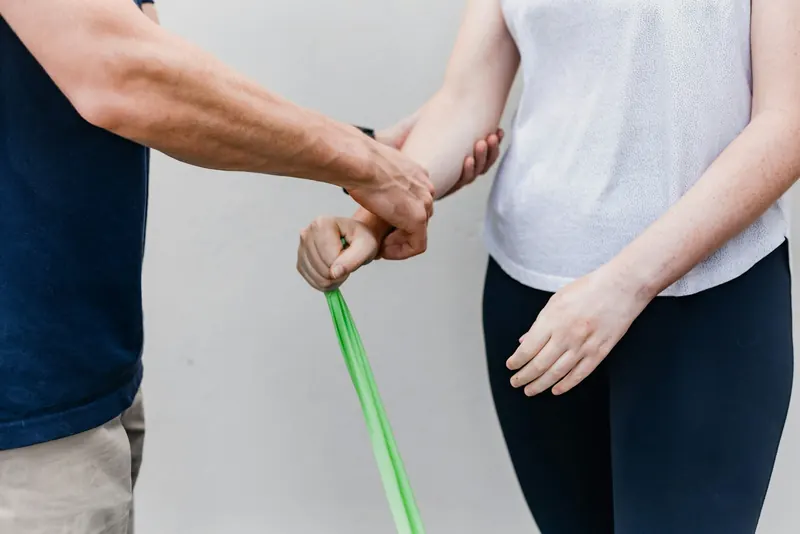
03Retrain
Gentle, specific activation
Not stretching. Precise, gentle activation of the muscles that have gone quiet, then a short home plan to reinforce the new pattern between sessions.
Learn more about Gentle, specific activation
02Who it may help
For pain and tightness that keep coming back.
People often look into NKT because symptoms keep recurring, earlier approaches haven't fully addressed their needs, they want an individualized movement assessment, or they want help getting back to the activities that matter to them.
- “It feels better for a few days, then it's back.”
- “It's always the same side.”
- “I've tried massage, stretching and rest.”
Not for emergencies or new, severe symptoms. Those need a medical provider first.
- 01Low Back PainPersistent or recurring low-back discomfort that hasn't settled the way you expected.
- 02Neck & Upper Back TensionRecurring neck stiffness, upper-back tension, or movement concerns after whiplash.
- 03Shoulder DiscomfortOverhead discomfort, rotator-cuff strain history, or a shoulder that never feels quite right.
- 04Hip, Knee & Leg ConcernsHip, knee, or tendon-loading concerns, often linked to how the whole leg is moving.
- 05Ankle, Foot & GaitRepeated ankle rolling, heel or arch discomfort, and gait-related patterns.
- 06Jaw & Head TensionJaw, head or neck tension that has already been evaluated by a clinician.
- 07Recurring Strains & InjuriesThe same strain or pull, the same side, again, or uncertainty about moving after an injury has resolved.
- 08Posture & Repetitive StrainWork, training or daily-habit patterns that leave you aching in the same places.
03Meet your practitioner
Hi, I'm Grace.
I work with people whose pain or tightness keeps coming back, using NeuroKinetic Therapy to look for the pattern behind it. Together we go through your history, how you move and what you've already tried, release what's overworking, and retrain what has gone quiet. Originally from Birmingham, Alabama, I see clients in the San Francisco Bay Area and the Birmingham area.
- PracticeNeuroKinetic Therapy® practitioner
- ServingSan Francisco Bay Area and Birmingham, Alabama area
- SessionsOne-to-one, by appointment. In-home by arrangement.
04What a session may look like
It begins with your story.
Your assessment begins with your story: what hurts, what you want to get back to, what you have already tried, and what changes matter most to you.
- Wear comfortable clothes you can move in
- Pay in person. No prepayment.
- No contract, no account
- 01
Conversation and history
Your symptoms, goals, relevant medical history, previous injuries, activities, and what makes things better or worse.
- 02
Movement and function assessment
Observation of how you move, range of motion, gentle manual muscle testing, and a discussion of what's limiting you.
- 03
Explanation
Grace explains which patterns she thinks may be relevant, what the assessment can and cannot tell you, and how progress will be checked.
- 04
Hands-on work and movement practice
Hands-on techniques and targeted activation or motor-control exercises, chosen for what the assessment shows.
- 05
Reassessment and home plan
A re-check of the movement or symptom that brought you in, and a simple home plan. Change during one session is useful feedback, not proof of a permanent fix.
There is no one-size-fits-all explanation for pain, and no approach can promise the same result for everyone. The goal is to understand your situation more clearly, explore useful options, and track progress toward meaningful activities.
05Pricing
$100per session
Paid in person at your appointment. Self-pay; insurance isn't accepted.
- NeuroKinetic Therapy® assessment: history, movement and gentle muscle testing
- Hands-on release work where the assessment shows it's needed
- Gentle activation to retrain the muscles that have gone quiet
- Simple home exercises and a clear recommendation for your next step
How booking works
- 1
Send a request with the days and times that suit you, or call or text.
- 2
Grace confirms a time by phone or text and shares location details.
- 3
Pay at your session. No prepayment, no account, no contract.
In-home and travel sessions are arranged individually. How they work.
In-home & travel sessions
When getting to a session isn't easy.
For clients managing a health condition, recovering from surgery or injury, or unable to travel comfortably, Grace may be able to come to you, with a portable treatment table and the same assessment-led approach.
- In-home sessions may be available in the SF Bay Area and the Birmingham, Alabama area
- Travel to other locations can be discussed for clients who need it
- Scheduling, availability and pricing are confirmed individually before anything is booked
What is NeuroKinetic Therapy?
NeuroKinetic Therapy® (NKT) is a movement assessment and treatment approach, developed by David Weinstock, that explores muscle coordination and movement patterns. A practitioner may use manual muscle testing, hands-on techniques, and targeted exercises as part of an individualized plan.
Is this massage?
Not exactly. Sessions are built around NeuroKinetic Therapy®, an assessment-led approach to how your muscles are coordinating. Hands-on techniques such as myofascial release, pressure point and neuromuscular work are used where the assessment shows they're needed, alongside gentle activation and home exercises. It's different from a relaxation or spa massage, and it isn't physical therapy, chiropractic or medical treatment.
Can NKT find the root cause of my pain?
Pain can have many contributing factors, and no single assessment can identify the cause of every person's symptoms. NKT may offer one way to explore movement patterns, but findings should be considered alongside your history, symptoms, function, and appropriate healthcare assessment.
How many sessions will I need?
There is no universal number. Your plan is guided by your goals, how you respond, and ongoing reassessment rather than a guaranteed session count.
How much does it cost?
Sessions are $100, paid in person at your appointment. Nothing is charged ahead of time, and there's no contract. In-home and travel sessions are arranged and priced individually.
Where do you see clients?
Grace serves the San Francisco Bay Area and the Birmingham, Alabama area. In-home sessions and travel to other locations may be available by arrangement. Location details are shared when she confirms your appointment.
Research context
Promising research, carefully explained.
NKT is an approach that uses a particular assessment model to explore muscle coordination and movement. Research on pain science and motor control supports the broader idea that pain and movement can interact in complex ways. However, broad research on the nervous system is not the same as direct evidence for every NKT-specific claim. We aim to describe the evidence transparently and to distinguish published research from individual experiences.
NKT may be used alongside appropriate medical, rehabilitation, strength or manual-therapy care. It isn't presented here as a replacement for diagnosis or treatment.
A review of manual muscle-testing methods found that technique and reporting vary widely. That's why muscle testing is treated here as one assessment input, never a medical diagnosis.
Conable & Rosner, 2011Appointments
Request an appointment
Tell Grace what you're looking for and when works. She'll get back to you to confirm.
- Takes under a minute
- No prepayment, no account
- $100 per session, paid in person
- Serving the San Francisco Bay Area and Birmingham, Alabama area. In-home sessions and travel by arrangement.