Supporting techniques
Hands-on work, guided by the assessment.
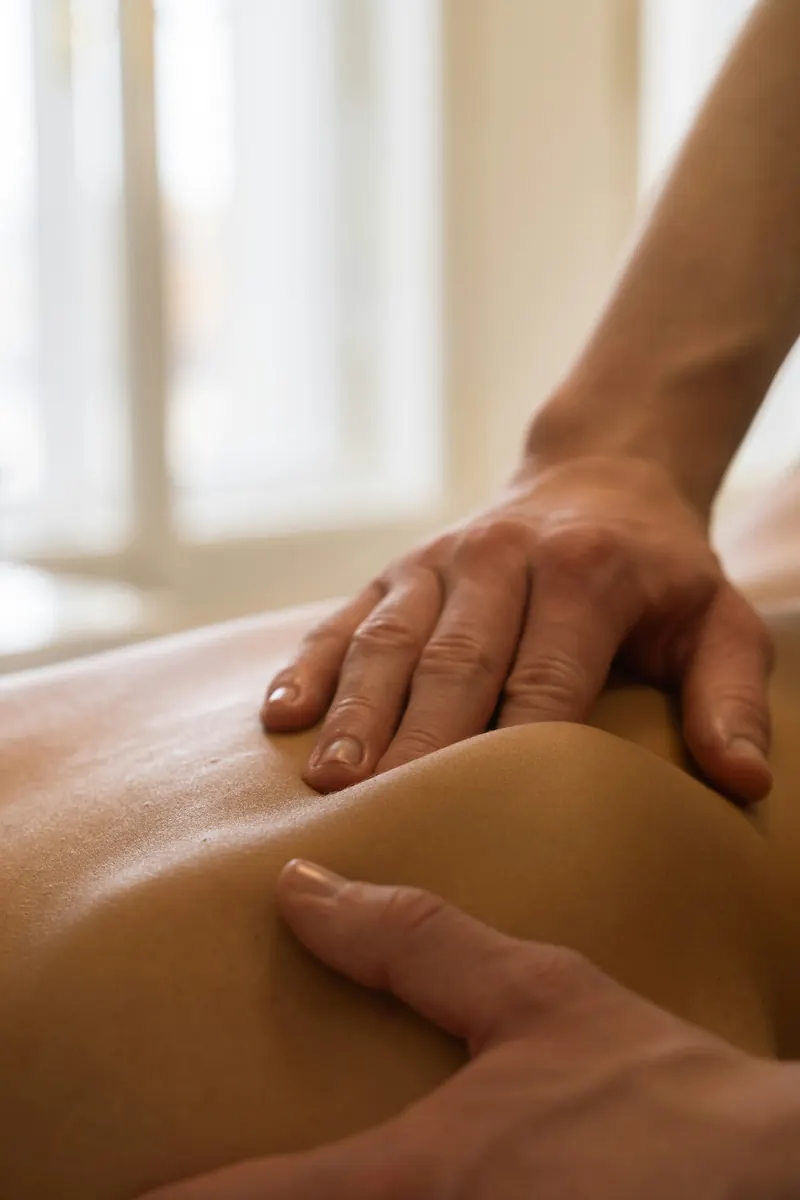
NeuroKinetic Therapy® comes first. Within a session, Grace may also use hands-on techniques, such as myofascial release, pressure point and neuromuscular work, on the muscles the assessment shows are overworking. Which ones depends on you and what's going on.
Techniques
Some of the techniques a session may include.
Not every session uses every technique. Grace explains what she's doing and why as she goes.
 Technique
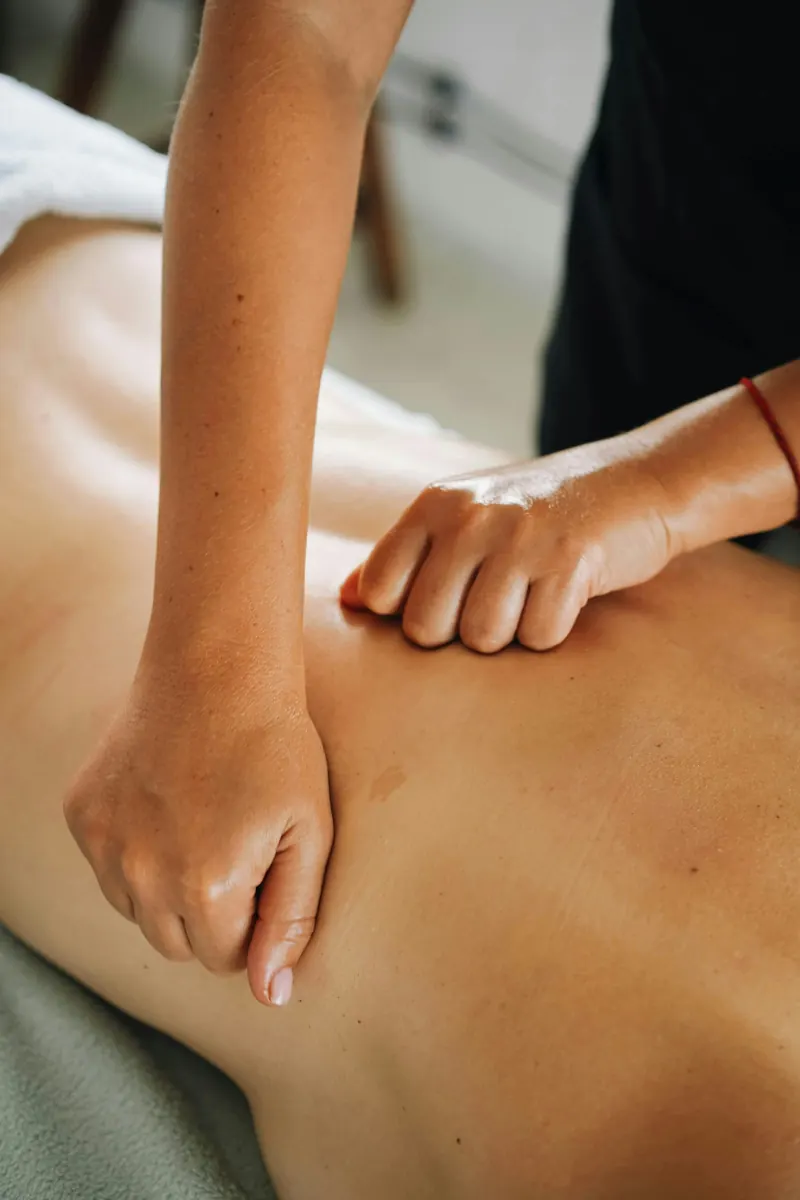
Myofascial Release
Slow, sustained pressure and stretch that eases tight, restricted fascia so muscles can move freely again.
Learn more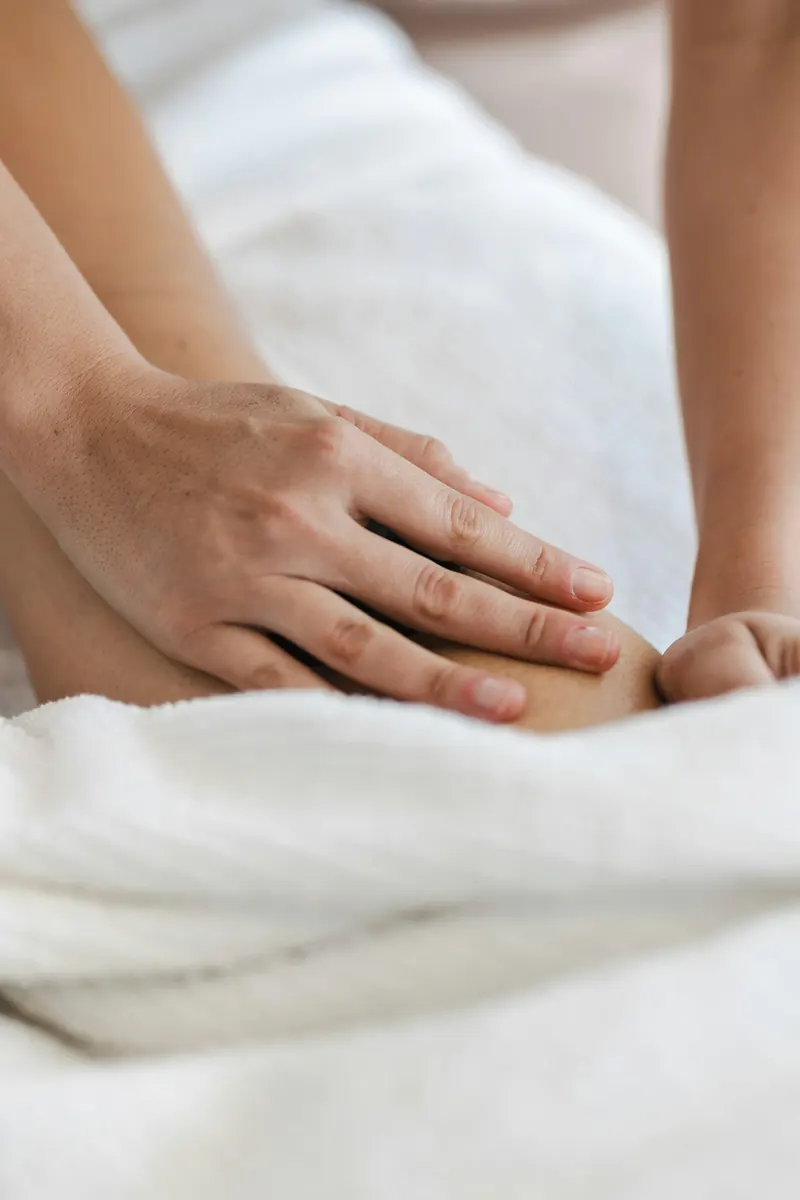 Technique
Pressure Point Release
Focused pressure on tight, tender knots (trigger points) until they let go, often easing discomfort that spreads elsewhere.
Learn more
Why the assessment comes first
Hands-on work can help a tight muscle let go. But if that muscle is tight because it's covering for another one that isn't doing its job, it can tighten right back up.
NKT helps show which muscles are overworking and which have gone quiet. Hands-on techniques release the ones carrying extra load, and gentle, specific activation retrains the quiet ones, so the change has a better chance of lasting.
05Pricing
$100per session
Paid in person at your appointment. Self-pay; insurance isn't accepted.
- NeuroKinetic Therapy® assessment: history, movement and gentle muscle testing
- Hands-on release work where the assessment shows it's needed
- Gentle activation to retrain the muscles that have gone quiet
- Simple home exercises and a clear recommendation for your next step
How booking works
- 1
Send a request with the days and times that suit you, or call or text.
- 2
Grace confirms a time by phone or text and shares location details.
- 3
Pay at your session. No prepayment, no account, no contract.
In-home and travel sessions are arranged individually. How they work.
Is this massage?
Not exactly. Sessions are built around NeuroKinetic Therapy®, an assessment-led approach to how your muscles are coordinating. Hands-on techniques such as myofascial release, pressure point and neuromuscular work are used where the assessment shows they're needed, alongside gentle activation and home exercises. It's different from a relaxation or spa massage, and it isn't physical therapy, chiropractic or medical treatment.
How much does it cost?
Sessions are $100, paid in person at your appointment. Nothing is charged ahead of time, and there's no contract. In-home and travel sessions are arranged and priced individually.
How is this different from a regular massage?
A massage can feel great, but tight spots often come back. NKT looks at why a muscle keeps overworking, usually because another one has gone quiet. Grace releases what's overworking, retrains what's gone quiet with gentle, specific activation, and gives you exercises so the change has a better chance of lasting.
Can I book hands-on work only?
Yes. Mention it in your request. Most people get the most from a full session, where the NKT assessment guides which areas the hands-on work focuses on.
Does it hurt?
NKT muscle testing uses light, gentle pressure, and retraining is gentle activation rather than hard exercise or stretching. Some hands-on techniques, like pressure point work, can feel intense on tender spots, but you're always in control of the pressure.
What should I wear?
Comfortable clothes you can move in. If hands-on work is needed on a particular area, Grace will explain what works best, and you'll be professionally draped.
SF Bay Area & Birmingham area · By appointment
Explore whether NKT may be a fit for your goals.
Send a quick request with a few days and times that work for you. Grace will reach out to confirm. Sessions are $100, paid in person.