Treat the area that hurts
Often the right first step for a new, acute problem. Relief can be quick, but it may not last if what's loading the area hasn't changed.
Learn
Short-term relief is real. But when the same discomfort keeps returning, it's often worth looking beyond the spot that hurts, at how your whole system is coordinating, recovering and coping.
Written by Grace Campbell, NeuroKinetic Therapy® practitioner · Last reviewed October 2026
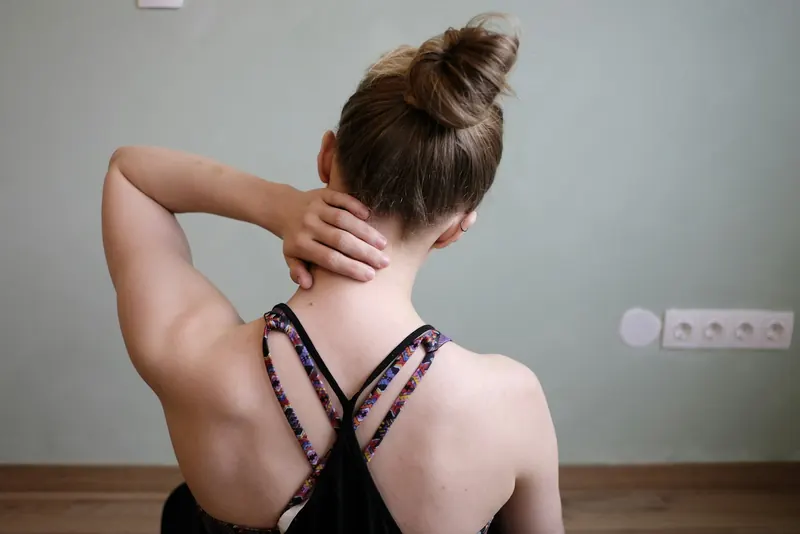
An adjustment, a massage or a few corrective exercises can genuinely help an irritated area settle. For a new, acute flare-up, that may be all you need. Local care calms things down, and the body does the rest.
Persistent pain is rarely only a muscle or a joint. Movement depends on the brain and nerves coordinating muscles, joints stabilizing under load, and tissues having time to adapt. When any part of that system changes, after an injury, a surgery or years of the same habits, the body adapts too.
One common adaptation is compensation: a muscle that isn't contributing well gets covered by another that works harder. The overworked area is often the one that feels tight or sore, which is why treating only that spot can bring relief that fades. NeuroKinetic Therapy is one way to explore whether a pattern like this is part of your picture.
Two ways of looking
Often the right first step for a new, acute problem. Relief can be quick, but it may not last if what's loading the area hasn't changed.
Breathing. The diaphragm is part of your core. When breathing shifts up into the neck and chest, those muscles take on extra work, and that can show up as neck and shoulder tension.
Sleep. Research consistently links poor sleep with higher pain sensitivity. Sleep is when tissues recover from the day's load.
Stress. A stressed nervous system tends to raise muscle tone and make pain signals feel louder. That doesn't make pain imaginary. It means the whole system is involved.
Load and habits. Repetitive work, long sitting or a sudden jump in training can keep overloading the same tissues.
None of these is a single "root cause", and no one approach addresses all of them. A good plan usually combines several, and sometimes several professionals.
An NKT assessment focuses on one piece: how your muscles are coordinating, and whether some are compensating for others. It starts with your history, includes movement observation and may use gentle manual muscle testing as one input. It ends with home exercises and a clear recommendation, which may include working with another professional.
It isn't a diagnosis or a cure, and it doesn't replace medical care.
Hands-on care can genuinely calm an irritated area. If the way your body is sharing load hasn't changed, though (for example one muscle covering for another), the same area can keep getting overworked and the discomfort can return. Looking at movement patterns, not just the sore spot, may help explain why.
It can. Stress affects breathing, muscle tone and how sensitive the nervous system is to pain signals. That doesn't mean pain is "in your head". It means the whole system matters, and calmer breathing and recovery habits are often a useful part of the plan.
Research consistently links poor sleep with increased pain sensitivity. Better sleep isn't a cure, but it's one of the factors that can support recovery alongside movement work.
If pain is severe, worsening, follows a new injury, or comes with numbness, weakness, fever, unexplained weight loss or other new symptoms, see a medical clinician first. For emergencies, call 911.
SF Bay Area & Birmingham area · By appointment
Send a quick request with a few days and times that work for you. Grace will reach out to confirm. Sessions are $100, paid in person.