Leg, knee, ankle & foot
Hip, Knee & Leg Concerns: looking at the pattern behind it
Knee and hip concerns are often influenced by what happens above and below the joint. An old ankle sprain or a hip that isn't stabilizing well can change how load travels through the leg. The assessment explores that whole chain.
Written by Grace Campbell, NeuroKinetic Therapy® practitioner · Last reviewed October 2026
Signs it may be worth assessing
- Knee discomfort on stairs or after running
- Hip flexors that always feel tight despite stretching
- The same side keeps getting hurt
- Tendon discomfort with loading
Patterns that may be explored
- Hip stabilizers that may not be supporting the knee
- Tight-feeling hip flexors that may be compensating
- Ankle-sprain history affecting the leg
- Gait patterns that place extra load on one side
Starting points for the assessment, not diagnoses.
How an assessment approaches hip, knee & leg concerns
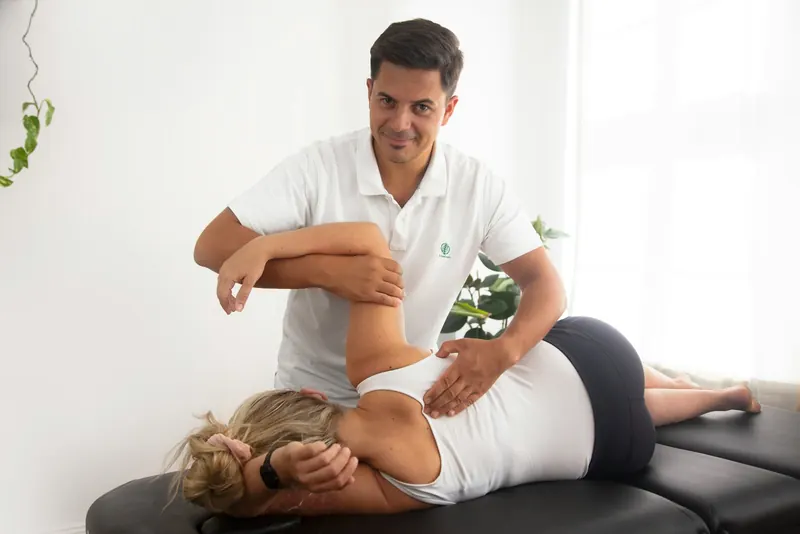
Rather than focusing only on where it hurts, Grace looks at how the surrounding muscles are sharing the load. The session starts with your history, then movement observation, and may include gentle manual muscle testing as one input. From there you'll learn home exercises aimed at what the assessment showed.
Where it helps, Grace also uses hands-on techniques, such as myofascial or pressure point release, on the areas that are overworking. Which techniques are used depends on what the assessment shows. Sessions are $100, paid in person. If anything suggests you'd be better served by another professional, Grace will tell you.
FAQ
Hip, Knee & Leg Concerns: common questions
Still unsure? Call 205-937-6869 or email Grace.
All questionsCan NKT find the root cause of my pain?
Pain can have many contributing factors, and no single assessment can identify the cause of every person's symptoms. NKT may offer one way to explore movement patterns, but findings should be considered alongside your history, symptoms, function, and appropriate healthcare assessment.
Does NKT replace medical care or physical therapy?
No. It shouldn't automatically replace medical evaluation or other appropriate treatment. Discuss your care plan with the relevant qualified professionals, especially for new, severe, worsening, or unexplained symptoms.
When should I see a doctor instead?
For sudden, severe or rapidly worsening pain, a new injury, possible fracture, chest pain, trouble breathing, fainting, sudden severe headache, new weakness or numbness, fever, or any symptom that needs a diagnosis, seek medical care first. For emergencies, call 911.



SF Bay Area & Birmingham area · By appointment
Explore whether NKT may be a fit for your goals.
Send a quick request with a few days and times that work for you. Grace will reach out to confirm. Sessions are $100, paid in person.